

![]() |
|||
News Briefs
SAVE THE DATE |
Cystic Fibrosis
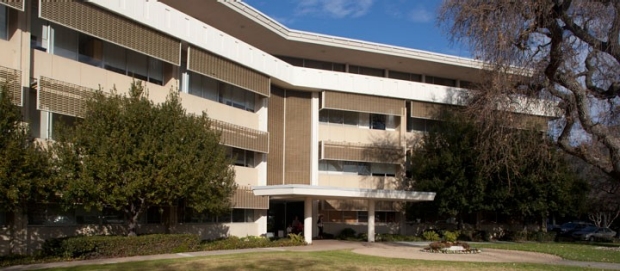
Cystic Fibrosis (CF) is one of the most common genetic (inherited) diseases in America. It is also one of the most serious. It mainly affects the lungs and the digestive systems in the body, causing breathing problems and problems digesting foods. It is a chronic disease that currently has no cure. The CF Center at Stanford, located at the Lucile Packard Children's Hospital, is an integrated disease management program that follows patients from diagnosis through adulthood. With the current longer life expectancy for patients with Cystic Fibrosis, our clinic population includes patients of all ages. More than half the patients followed by the Stanford CF Center are adults aged 18 years or older.
*****TAKE OUR SURVEY***** Dear Patient: As partners in your care we
are very interested in learning
about your experiences with
the CF center. We would like
to ask for a few minutes of
your time to share your
experiences through the
following surveys which
have been designed to
capture the different aspects If you would like to tell us
about your experience with
the CF Clinic please follow
this link: If you would like to tell us
about specific aspects of
the care we provide please
follow this link: If your child was ever
hospitalized and you would
like to tell us about that
experience please follow
this link: If your child was ever on IV
Antibiotics at home and you
would like to tell us about
that experience please
follow this link:
For Appointments: Adult Clinic: Wednesdays, Fridays For New Appointments, call CF Coordinators: Kathy Gesley/Nicole Eden (650)736-1358 Adult routine appointments please call: (650)497-8510 Pediatric Clinic: Monday, Tuesday, Wednesday, Friday
Pediatric routine appointments please call: (650)497-8841 |
Cystic Fibrosis Research
Clinical Trials-Volunteers Needed Research on the cause, To find out how,
Featured Articles Infant weight gain linked to better lung function in those with Cystic Fibrosis New Pathway to Lung Damage in Cystic Fibrosis identified by Stanford researchers from the Center of Excellence in Pulmonary Biology.
|
|